Last night, I saw Adam Ant perform at the Bournemouth International Centre. It was the opening night of his long-awaited 2025 UK tour. A tour that had originally been planned for 2024, but was postponed due to illness.
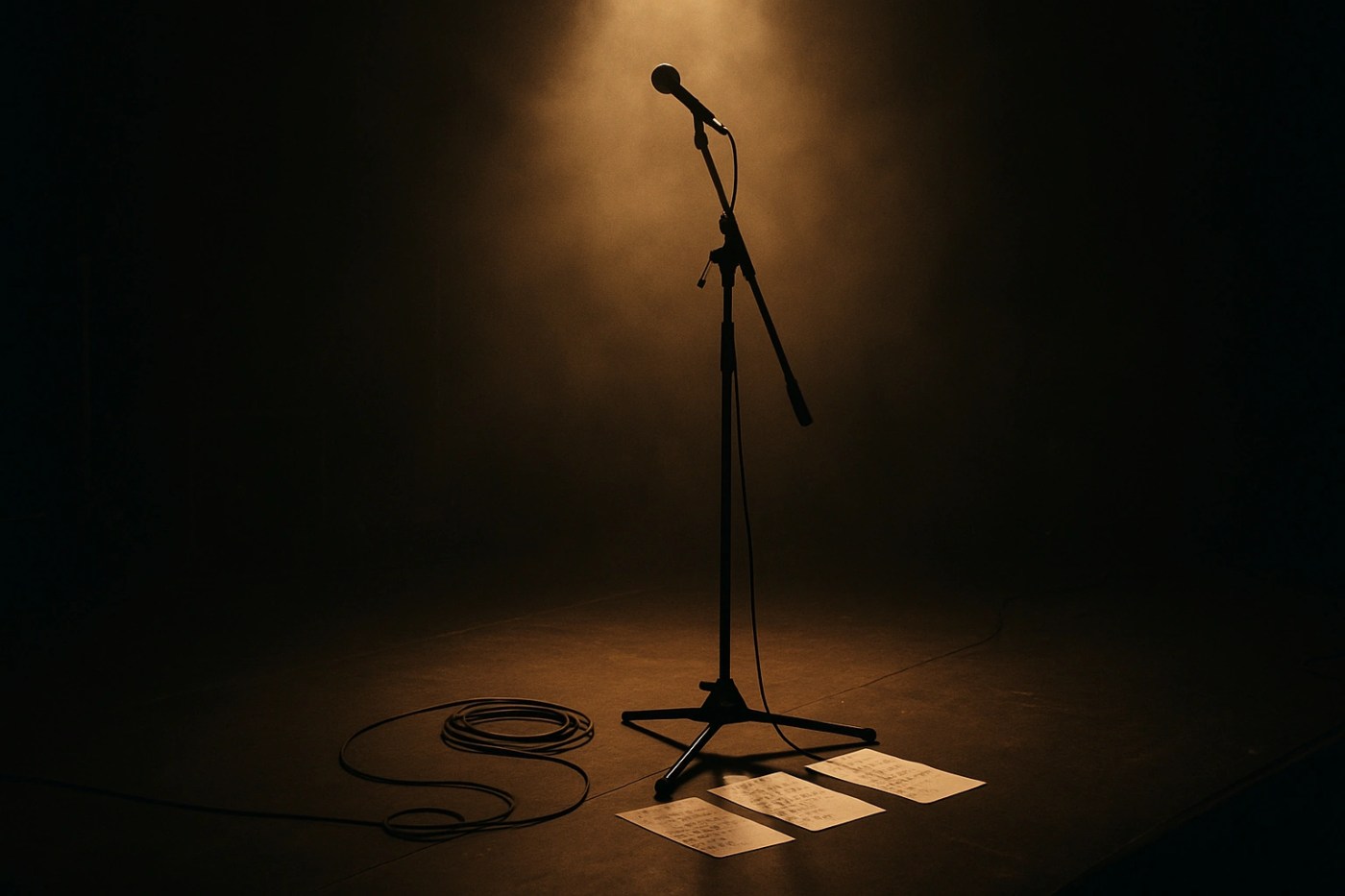
The show opens with a darkened stage and a pulsing instrumental track that blends tribal drums, atmospheric synth layers, and rhythmic bass lines. The sound builds tension and anticipation, evoking a cinematic, almost ritualistic vibe. It feels like a modern reinterpretation of Adam Ant’s signature Antmusic style, raw, theatrical, and hypnotic. Setting the tone perfectly before launching into Dog Eat Dog.
At first, I thought something was wrong with the sound mix, perhaps the vocals were too low, or the monitors weren’t balanced. But as the song went on, I realized it wasn’t the sound at all. What had changed was his voice.
I’ve seen Adam Ant live several times before, in different cities and at various points in his career. But last night felt different. His voice, once sharp, strong, and full of that defiant edge, now carried the weight of time, and perhaps of illness. The range was narrower. The high notes he once hit effortlessly were carefully avoided.
And yet, there he was, moving with determination, commanding the stage, giving what he could.
There was still energy. Still, that charisma that made him an icon. But beneath it, there was also fragility. A quiet struggle that you could sense, even if you couldn’t quite name it.
I noticed it.
And, judging by the murmurs and the few early exits, others did too.
The setlist itself was fascinating, something for real fans. A mix of deep cuts and rare gems hidden between the old singles, the kind of songs that never make it onto the greatest hits lists. In a way, it was an intimate evening for those who’ve stayed with him all along, not just for the nostalgia crowd.
But as the night went on, I found myself less focused on the music and more on the man behind it.
I couldn’t shake the feeling that what I was witnessing wasn’t just a performance. It was something closer to therapy. A musician who needed to be on stage, not because he could, but because he had to. Because maybe being up there, facing the lights and the applause, was his way of reclaiming strength, of reminding himself that he’s still here.
And that made me think about something more profound.
As fans, what do we expect when we go to a concert? We buy the ticket, we look forward to the show, and somewhere in our minds, we expect to see the version of the artist that lives in our memory. The energy, the sound, the youth. But what happens when reality doesn’t match that memory?
Do we allow the artist to change? To age? To falter?
Or do we quietly measure them against an impossible past?
Last night, I felt that tension in myself. Part of me wanted to hear the powerful voice I remembered. Another part of me was grateful that he was there at all. Standing under the lights, doing what he loves, even if it came with visible effort.
And then I wondered: if the roles were reversed. Suppose I were the one on stage, as a speaker, a performer, or anyone putting themselves out there. Would I notice when my own limits were reached? Would I recognize when my best wasn’t what it used to be?
That thought stayed with me long after the final song.
There was something profoundly human about last night. A reminder that even the people we idolize are fragile. That sometimes, the bravest thing an artist can do is show up, despite everything.
Leaving the venue, I didn’t feel disappointed.
I felt compassion.
Maybe that’s what growing older as a fan means. We must learn to listen differently. To hear not just the voice, but the courage behind it.
Some nights remind you that music isn’t about perfection. It’s about connection, and sometimes, survival.

..what a lovely review. I can’t wait to finally see Adam this year 🐜
LikeLike