After Construction Time Again opened the door to Depeche Mode for me in 1983, it felt almost unavoidable to look back. If their third album could already shift something in me, then what had I missed in the years before? Even then, I sensed that to understand the direction this music would take me, I needed to start at the beginning.
Finding the earlier records wasn’t about “collecting.” We didn’t use that word as teenagers. “Collectors” were people older than us. Those who kept their vinyl in plastic sleeves and treated them like museum pieces. For us, it was simpler: I need the other albums too, or something feels missing. It wasn’t a hobby. It was instinct.
A Broken Frame would come later. First came Speak & Spell. The bright opening chapter.
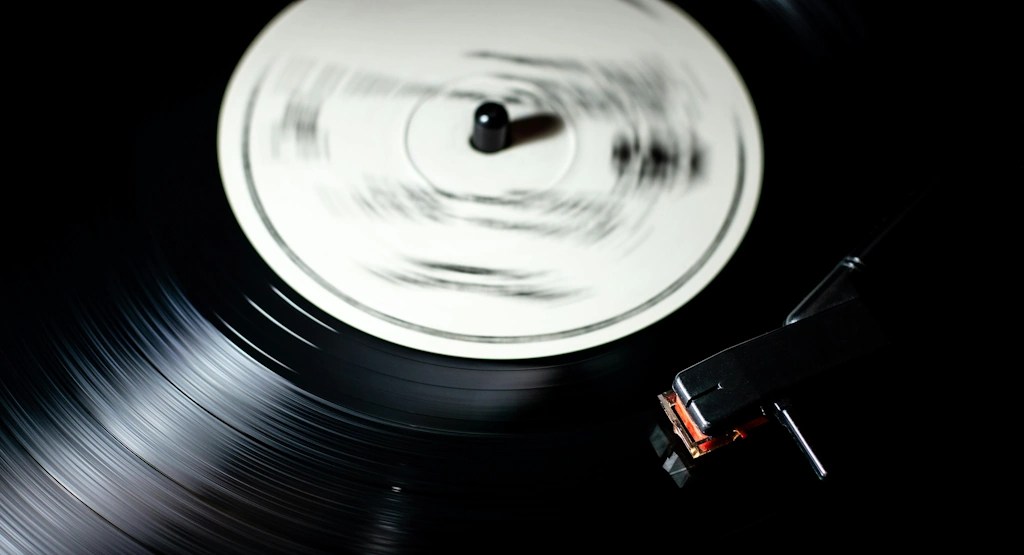
I still remember holding the album for the first time. The pastel cover, slightly odd and almost playful, felt far from the metallic precision I had come to appreciate so much in Construction Time Again. It was unexpected, but it didn’t put me off. It made me curious. I didn’t know anything about Vince Clarke or the band’s early formation. I just lowered the tone arm. And listened.
New Life was the track that immediately caught my attention. That sharp, quick burst of synth was unmistakable, direct, energetic, impossible to overlook. I knew the single, of course, but the 12″ version made the song feel even broader, as if it wanted to extend beyond its own length. Even today, it remains one of those openers that still holds my focus from the very first second.
But the real emotional connection came from I Sometimes Wish I Was Dead. Despite its dramatic title, the song never felt morbid to me. It matched the internal quietness I often carried at that age, a sense of being slightly withdrawn, slightly apart, observing more than participating. Looking back, it fits into the broader mood of the early 80s, when social interactions were already becoming more superficial. No surprise that bands like The Sisters of Mercy eventually became part of my listening habits. But that belongs to a different entry.
With Big Muff, Depeche Mode did something unusual. Placing an instrumental track on a pop-oriented album wasn’t common then, and it’s not common now. I remember letting that piece wash over me, without any lyrics to guide or distract. Depeche Mode would return to these soundscapes throughout their career, and they always had the same effect on me. They created a space to drift, to reorder thoughts, to step aside from everything else for a moment.
And then there’s Just Can’t Get Enough. A song that extended well beyond the album, already widely recognized and embedded in the cultural landscape. As the closing track on Side B, it served almost like punctuation, upbeat, memorable, and leaving you with a sense that more was to come. A bit of a cliffhanger, in a way. And, of course, there was more. Much more.
Listening to Speak & Spell today, it still feels like the start of something larger. The sound is lighter than what Depeche Mode would later explore, less heavy in tone but still purposeful. This album wasn’t part of my life when it first came out, yet it became a key part of the story. There’s a line from New Life to later anthems like Everything Counts and Never Let Me Down Again, and Speak & Spell marks the beginning of that journey.
Next will be A Broken Frame, the transitional step after Vince Clarke’s departure. Darker, more complex, and a clear hint of the direction they were about to take.
Edited with the help of Grammarly

Leave a comment