I came to A Broken Frame late.
My door into the room called Depeche Mode was Construction Time Again, and only after standing in that harsher, more industrial light did I turn around and notice what was already behind me.
Looking back, it still feels almost unreal how much this band changed in the span of barely three years. Personnel shifts played their part, of course, but just as decisive was the rapid evolution of the synthesizer world itself. You can hear it immediately. You can feel it in the textures. Machines becoming less playful, more assertive, capable of carrying doubt, distance, and weight rather than just melody.
I didn’t experience the single releases at the time. No waiting, no chart positions, no radio context. The songs arrived detached from their moment, and maybe that’s why See You still feels timeless to me. It remains one of the most expressive ways I know of turning longing into sound. The quiet ache of wanting to see a loved one again. No irony, no protection. Just vulnerability, framed in melody.
The other singles, The Meaning of Love and Leave in Silence, are strong songs, if one allows oneself such a trivial description. They carry the album outward, into the public space, doing what singles are meant to do.
But for me, the real jewels of A Broken Frame live beyond those obvious markers.
The two tracks that shine brightest, that linger longest in my Depeche Mode playlists, are Shouldn’t Have Done That and The Sun and the Rainfall.
Shouldn’t Have Done That always carries a sense of self-criticism for me, an inner warning spoken without raised voice. Musically, it’s the experimental edge that keeps pulling me back, the feeling that the song is still negotiating with itself.
The Sun and the Rainfall works differently. Melodic and restrained, it allows hope (the sun) and sadness (the rain) to exist at the same time. It reminds me that external change does not resolve internal conflict. You can move, you can rearrange your life, but you still carry your questions with you.
In that order, those two songs feel like the right ending to the album: from inner admonition to quiet resignation.
What is often overlooked, though, is that the truly experimental side of Depeche Mode at that time happened outside the LP format. Not on A Broken Frame itself, but in the margins—on B-sides and, especially, on the 12-inch releases. That’s where a fuller picture of their creativity begins to emerge.
Oberkorn (It’s a Small Town), the B-side to The Meaning of Love, still feels striking today: cold, minimal, uncompromising. A track that doesn’t explain itself, that simply exists. And then there is Leave in Silence again. This time in its Longer and Quieter incarnations. These are not extended versions for the sake of length, but genuine reinterpretations. Space is stretched, silence becomes meaningful, structure loosens. Those versions have stayed with me, perhaps even more than the album cut.
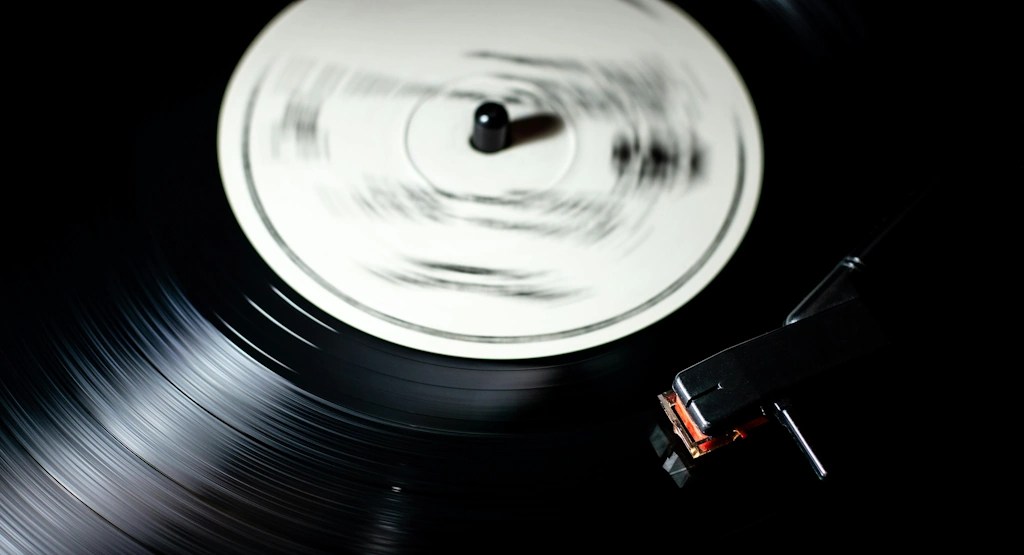
I’ll say it plainly: I miss 12-inch maxi singles.
That format allowed bands to take risks, to dismantle songs and rebuild them without concern for radio or chart logic. In those years, Depeche Mode used that freedom to explore ideas that albums alone could not yet hold.
From my perspective, A Broken Frame remains the most underestimated Depeche Mode album. Then and now. Maybe it’s not so much the music people struggle with, but the neo-socialist aesthetic of the cover. It doesn’t sit comfortably within a Western political landscape. And yet, it captures with surprising precision a longing for more social balance in a society increasingly surrendered to neoliberal capitalism.
When the album was released, no one could have known, certainly not with certainty, that it marked the transition from youthful synth-pop toward more serious songwriting and composition. Seen in retrospect, that transition is unmistakable.
Not a destination.
But the moment when the journey quietly changes direction.
Edited with the help of Grammarly.

Leave a comment